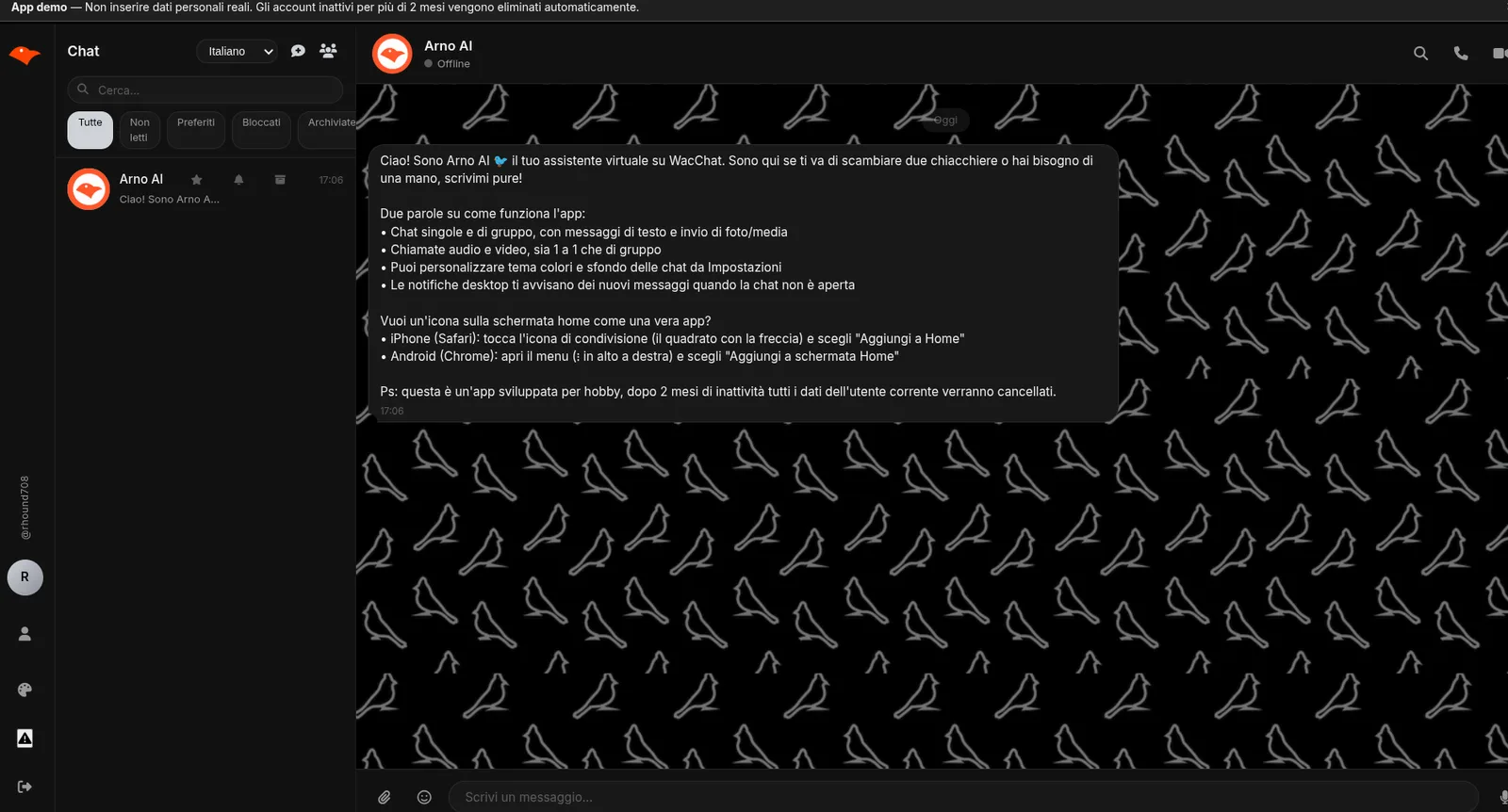
Chat 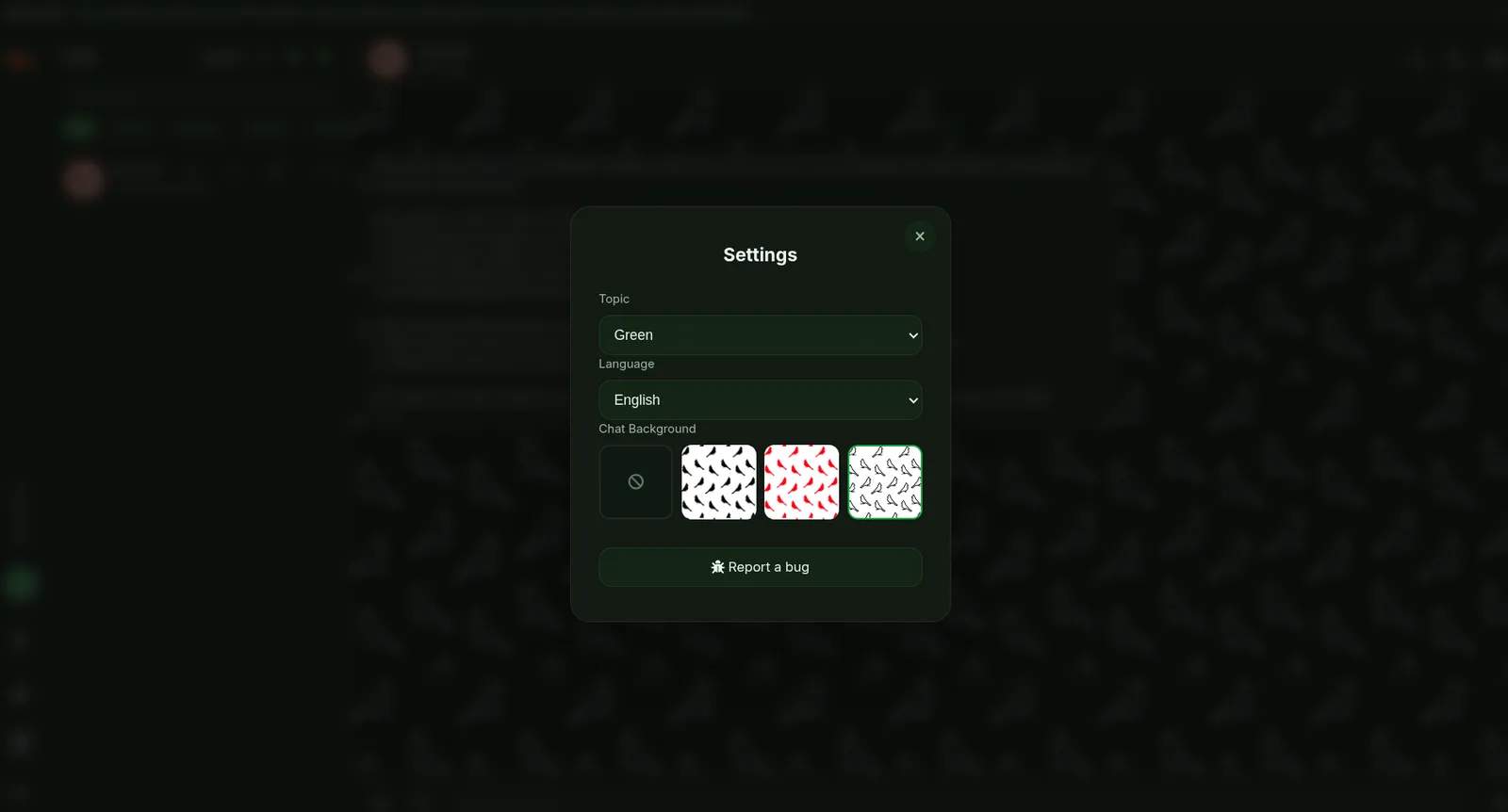
Settings 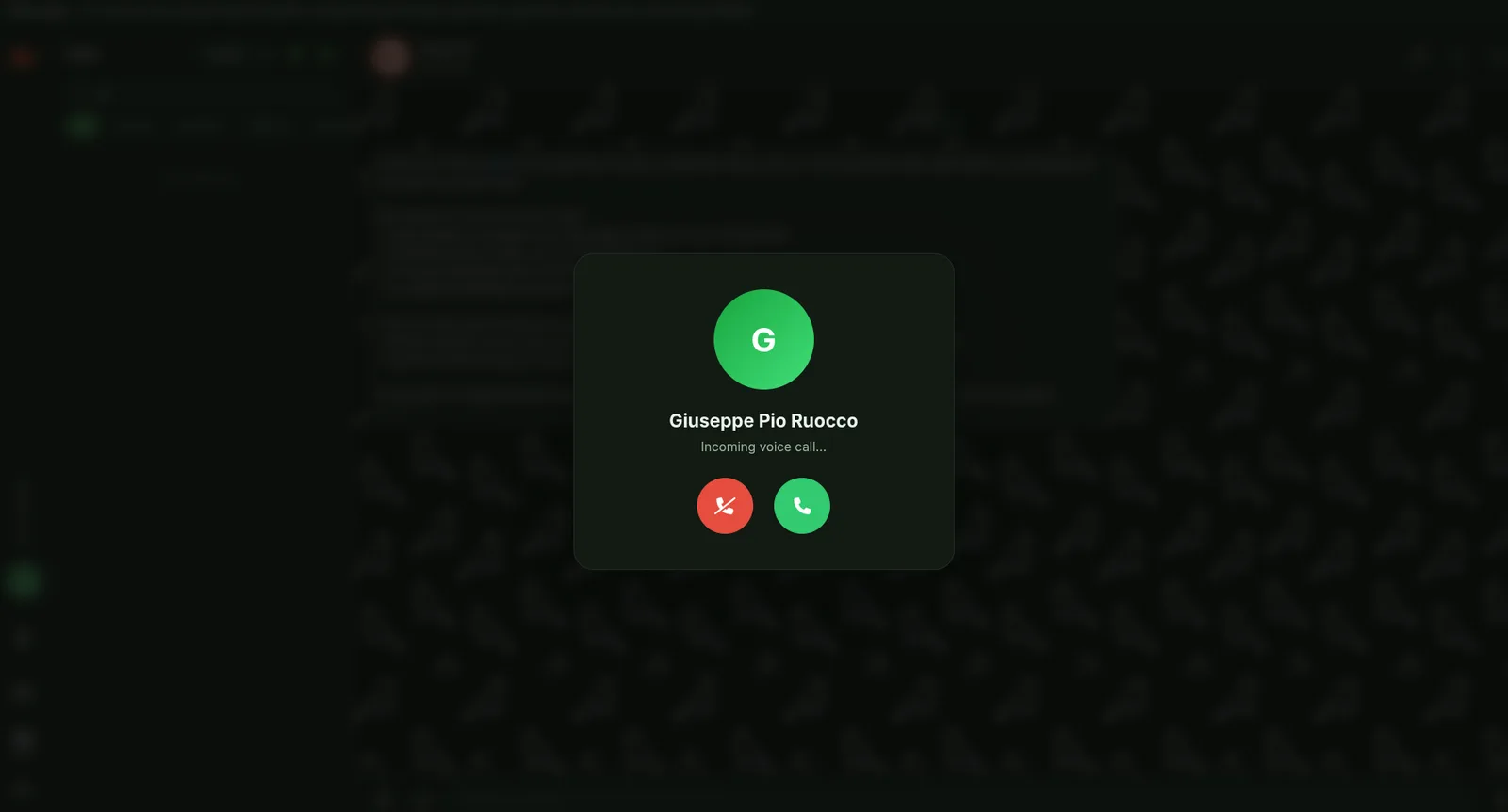
Incoming call 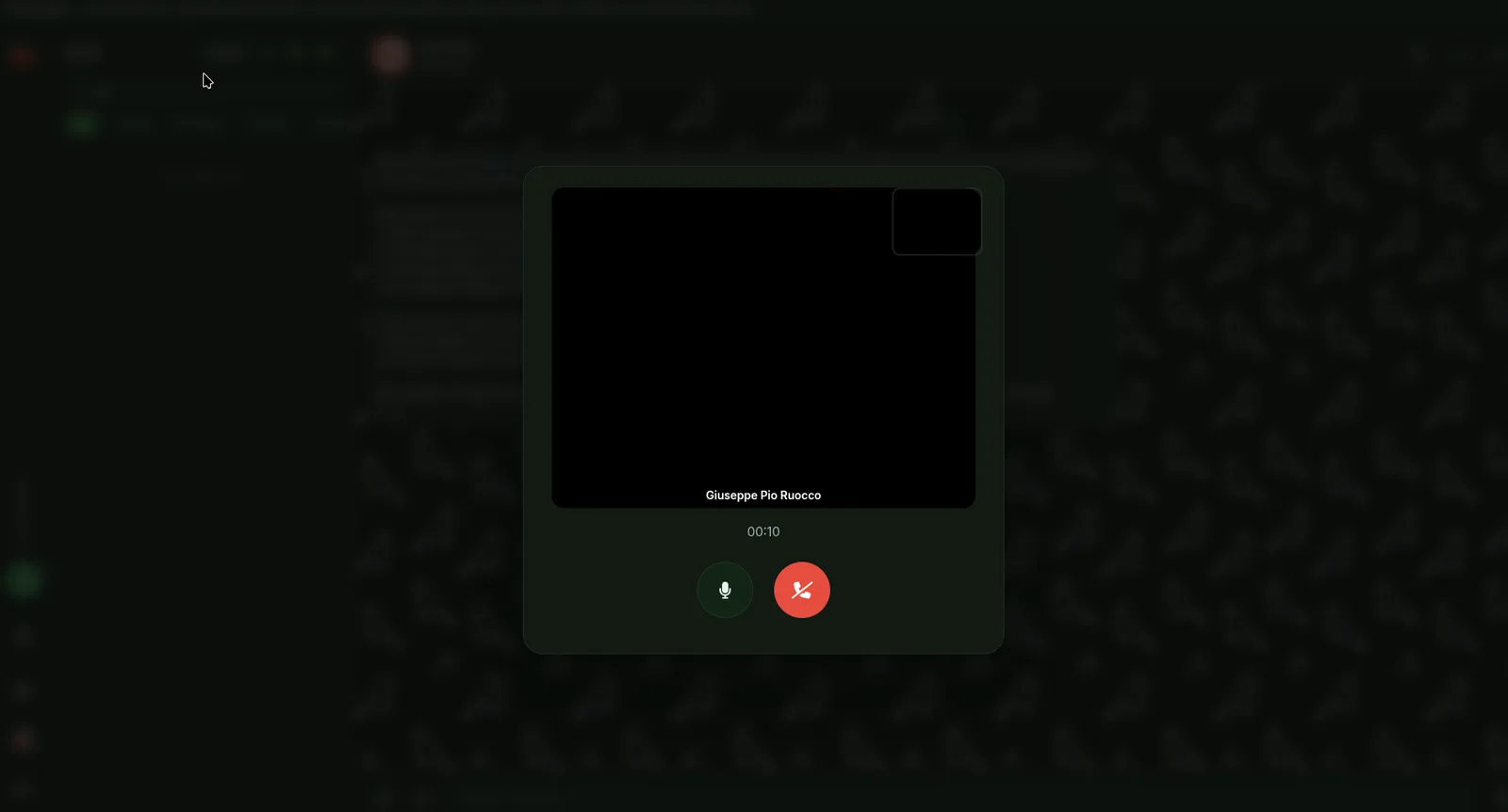
Video call 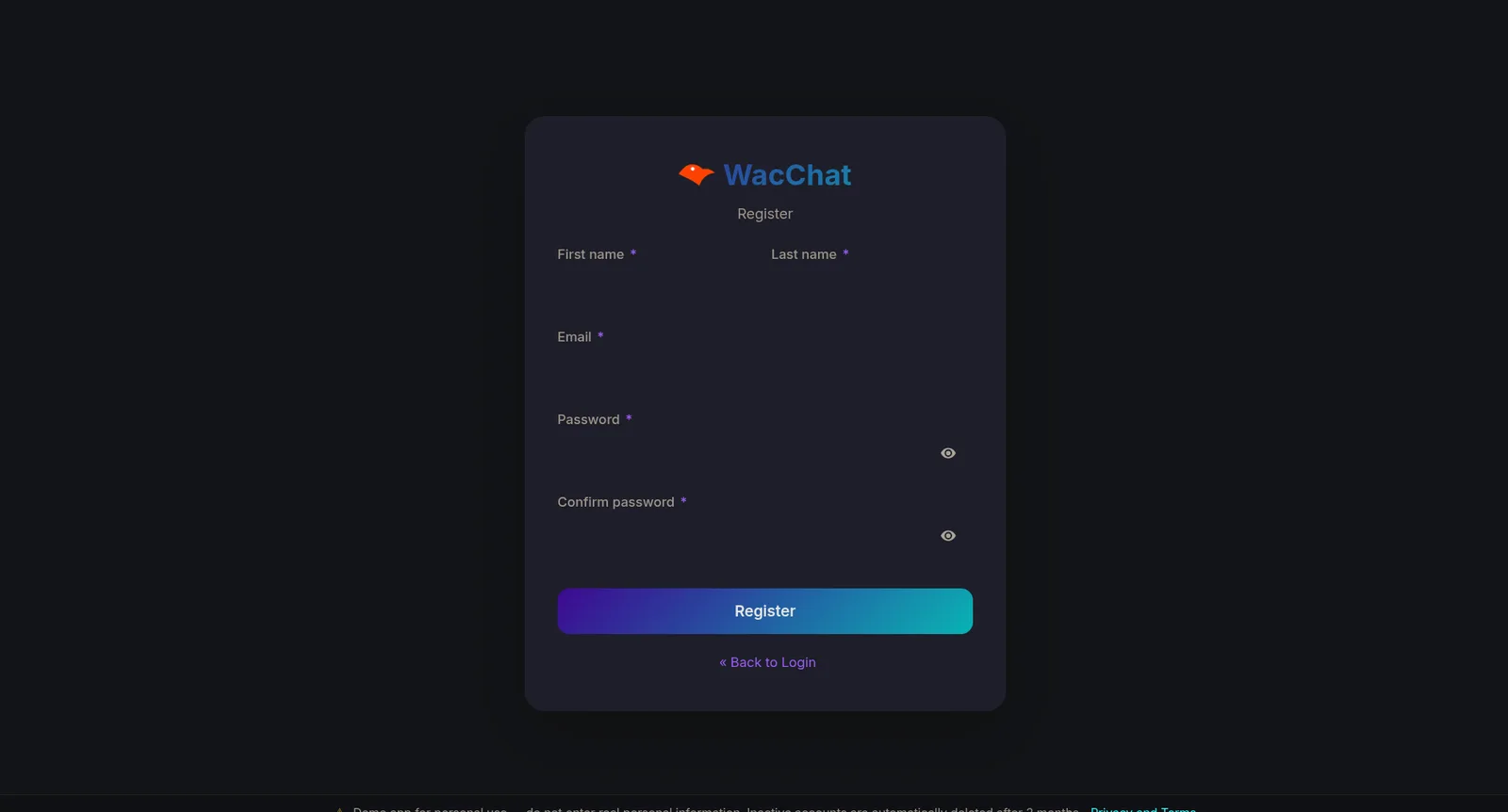
Sign-up 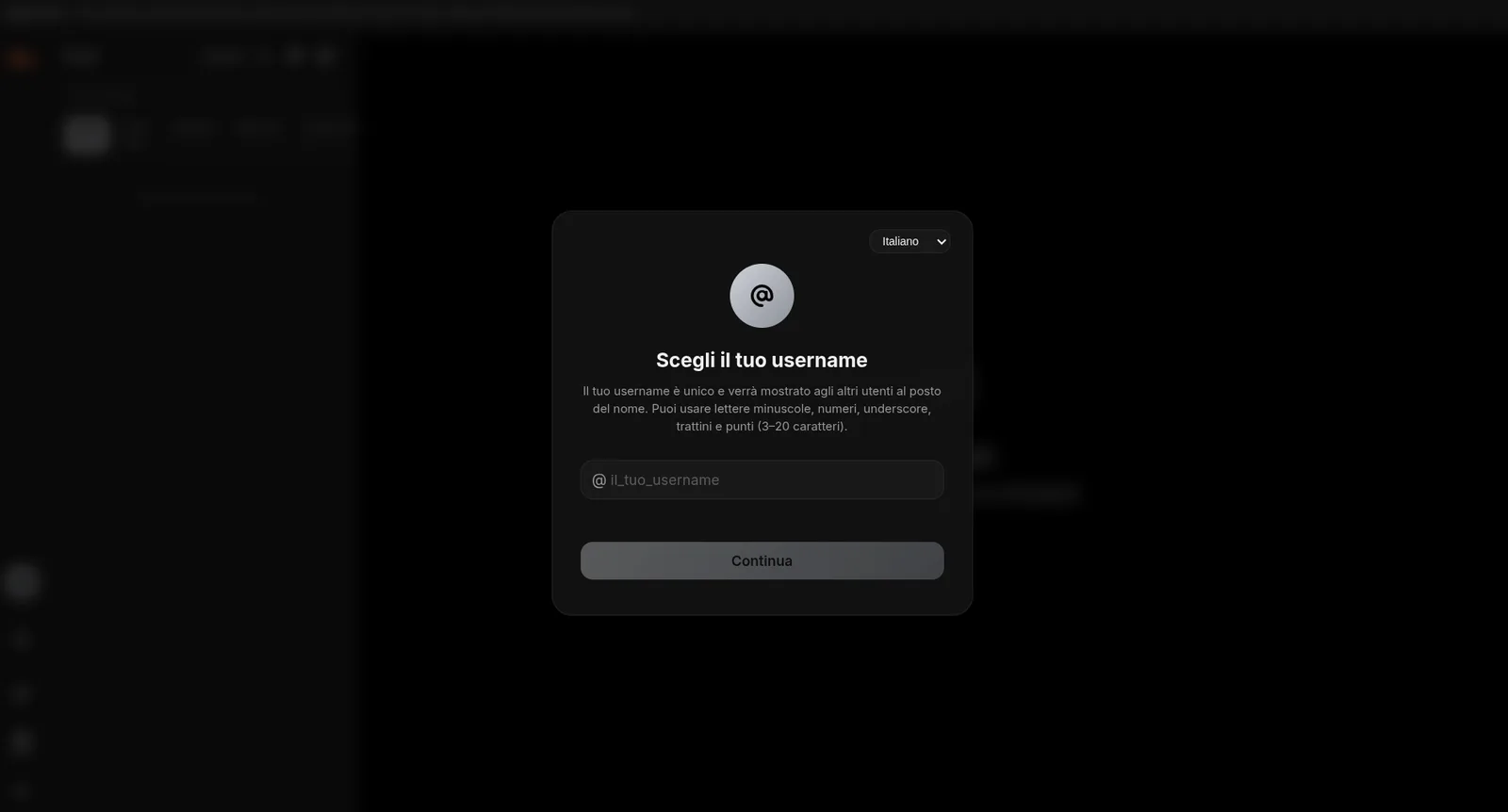
Choosing a username
WacChat
ONLINEReal-time chat on microservices
Spring Boot 3 microservices: gateway, files, notifications and WebRTC calls. Keycloak with a custom theme, STOMP over RabbitMQ, observability with Prometheus, Grafana, Loki and Tempo.
My role: Personal project, from architecture to deploy.
- Spring Boot 3
- Angular 19
- Keycloak
- RabbitMQ
- WebRTC
- PostgreSQL
The problem
I wanted to build a complete real-time chat from scratch, with a real enterprise architecture instead of a monolithic app. It is my only project actually used by other people: friends and family tested it.
- 1:1 and group chats, with replies, forwarding, reactions and voice notes
- WebRTC audio and video calls, including group calls
- Desktop and Web Push notifications, with the app installable as a PWA
Architecture
A reactive Spring Cloud Gateway (WebFlux) is the single entry point for the Angular 19 frontend.
- Services: backend (chats, messages, users), file-service with media on Cloudflare R2, notification-service for real time and call-service for call signaling
- Arno, a Gemini chatbot that welcomes every new user in a welcome chat
- Authentication delegated to Keycloak, with a custom theme and a security library shared across services
- RabbitMQ as the STOMP broker instead of an in-memory one, so subscription state is shared, and as an event bus
- Full observability: traces in Tempo, metrics in Prometheus, logs in Loki and Grafana dashboards
Technical choices
- Gradual extraction from the backend: files first, then real-time notifications, then calls, each with a single responsibility
- 1:1 and group WebRTC calls in a mesh of up to 8 people, signaled over the STOMP connection that is already open
- Angular client generated from the OpenAPI spec, so frontend and backend cannot drift apart
- Security reviewed after an audit: uploads checked by magic bytes, separate RabbitMQ credentials per consumer, Keycloak brute-force protection, admin and database ports bound to localhost, at most 3 active sessions per user
- CI/CD: tests on every push and a production deploy only when they pass, redeploying just the service the commit touched
What I learned
- Splitting a backend into services moves the problems to the boundaries: when I extracted notifications, real-time message delivery broke until I rewired the RabbitMQ broker
- WebRTC is easy on a local network and hard on the Internet: signaling, ICE candidates and audio streams to handle by hand, and without a TURN server some networks cannot connect
- With an external identity provider you need a stable identifier: syncing users by email instead of the Keycloak sub caused duplicates and conflicts
- Centralized traces, metrics and logs let me find in minutes errors that, spread across six containers, would have taken hours